
Feces Removal Services in Santa Barbara County
At The Pooper Picker Upper, we provide expert feces removal services for both residential and commercial properties throughout Santa Barbara County. Our trained professionals are prepared to manage a wide variety of cleanup situations, including human feces removal, rodent droppings cleanup, emergency cleanups, and sanitation after unsanitary events.
We follow rigorous health and safety standards and use industry-recommended cleaning techniques to ensure thorough waste removal, odor elimination, and complete disinfection of affected areas. No matter the scope or severity of the situation, we deliver our services with discretion, efficiency, and a strong commitment to restoring your property to a clean, safe, and hygienic state.
Browse our service options to find the right solution for your needs, or contact us today for fast, professional support.
Free Estimates
Call or send photos

In most cases, we are able to provide an estimate by reviewing photos of the impacted area. However, for larger or more complex jobs, an on-site assessment may be necessary to accurately determine the scope of work and cost for feces cleanup and removal.
When submitting photos, please include your name, city, and phone number so we can follow up with any clarifying questions before preparing your estimate.
If your photos are too large to send via email, you may compress them into a zip file or let us know—we’ll be happy to provide a secure upload link.
Photo Tips: Please provide a zoomed-out photo of the entire space, and then close-up pictures so we can determine the scope of work to be done.
Send your photos via email or call
Professional Human Feces Cleanup Services
Santa Barbara County, with a population approaching half a million, continues to face challenges associated with the rise of homeless encampments throughout the region. Limited access to public restrooms has led to human waste—including feces and urine—being left on sidewalks, in yards, and near building entrances, creating serious public health concerns. Additionally, incidents within commercial facilities, such as customers becoming ill and leaving feces or vomit in restrooms, require immediate and specialized cleanup.
The Health Risks of Human Waste
Human feces can carry a variety of infectious diseases, including Hepatitis A, Giardia, E. coli, Campylobacter, Cholera, Clostridium difficile (C. diff), Norovirus, and Hookworm. While not legally classified as biohazardous medical waste, fecal matter can contaminate surfaces and environments, leaving behind bacteria and viruses that remain hazardous long after visible traces are gone.
It is entirely reasonable that employees or staff members may be unwilling—or unprepared—to address such cleanups. Effective feces removal requires the use of proper protective gear, proven cleaning protocols, and industrial-grade, environmentally responsible disinfectants. By hiring trained sanitation professionals, property owners can ensure a thorough, safe cleanup that protects public health and restores cleanliness to the affected area.
Rodent Droppings Cleanup Services
Rodent infestations pose serious health risks due to the presence of droppings, urine, and nesting materials, all of which can harbor harmful bacteria, viruses, and parasites. Proper cleanup and decontamination are essential—not only to eliminate waste and odors but also to protect human health, prevent the spread of disease, and restore a safe, sanitary environment.
Health Hazards Linked to Rodent Droppings
When disturbed, rodent droppings and urine can release dangerous pathogens into the air, increasing the risk of respiratory and other illnesses. Some of the most concerning diseases associated with rodent contamination include:
- Hantavirus Pulmonary Syndrome (HPS): A severe and potentially fatal respiratory disease transmitted through inhalation of dust particles contaminated with rodent urine, droppings, or saliva.
- Salmonella: A common bacterial infection found in rodent feces that can contaminate surfaces and food, causing significant gastrointestinal illness.
- Leptospirosis: Spread through contact with rodent urine, this bacterial infection can lead to fever, muscle pain, and, in severe cases, kidney or liver damage.
- Lymphocytic Choriomeningitis Virus (LCMV): A viral infection transmitted via exposure to rodent waste, which may affect the nervous system and poses particular risks to pregnant individuals.
Improper cleaning methods—such as dry sweeping or vacuuming—can aerosolize these pathogens, significantly increasing the chance of exposure. To ensure safe and effective removal, professional cleanup is highly recommended. Our trained technicians utilize industry-approved safety protocols and specialized equipment to contain, remove, and disinfect all contaminated areas, ensuring your property is thoroughly restored to a clean and safe condition.
Santa Barbara County Rodent Droppings Cleanup Gallery
Daily Doo’s
Cleaning up rodent droppings isn’t for everyone—but it’s what we do best. Save your time and avoid the health risks by letting our professional team handle it for you. With competitive pricing and reliable service, you’ll quickly see the value in choosing experts to get the job done right.
Rat Feces Cleanup in a Shed
A shed with accessible food sources, water, and shelter created the perfect environment for a rat infestation, leading to significant droppings contamination.

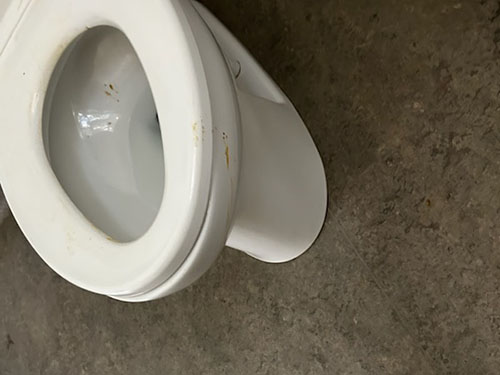
Human Waste Cleanup Santa Barbara
A business in Santa Barbara discovered that someone had pooped on and around the toilet. Accidents happen, and when they do, we are there to get you back up and running.
Rat Nest in Santa Barbara
Rat nest in an auto part that was on a workbench in an outdoor workbench in Santa Barbara

Frog Droppings in Goleta
We were called out for rodent droppings cleanup in Goleta. Turns out they were frog droppings. They look similar to rat droppings and we can see how the two could be easily confused. Frog feces can carry salmonella and other diseases, so the clean up was still prudent.

Santa Barbara County Service Area
You can find rodents in every city in Santa Barbara County. You are not alone in the fight against the pesky rodents. If you have a poo problem, we will be there to remove it!
Call (805) 603-1772

- Ballard
- Buellton
- Carpinteria
- Casmalia
- Eastern Goleta Valley
- Goleta
- Guadalupe
- Isla Vista
- Lompoc
- Los Alamos
- Los Olivos
- Mission Canyon
- Montecito
- New Cuyama
- Orcutt
- Santa Barbara
- Santa Maria
- Santa Ynez
- Solvang
- Toro Canyon
- Vandenburg AFB
- Vandenburg Village
Santa Barbara County
Feces Removal & Disinfection Services
Call Now (805) 603-1772
